Guide
Warming Massage Oil: The Complete Guide to Sensual Heat
Learn how warming massage oil works, how to pick one, and how to use it safely for a sensual experience with your partner.
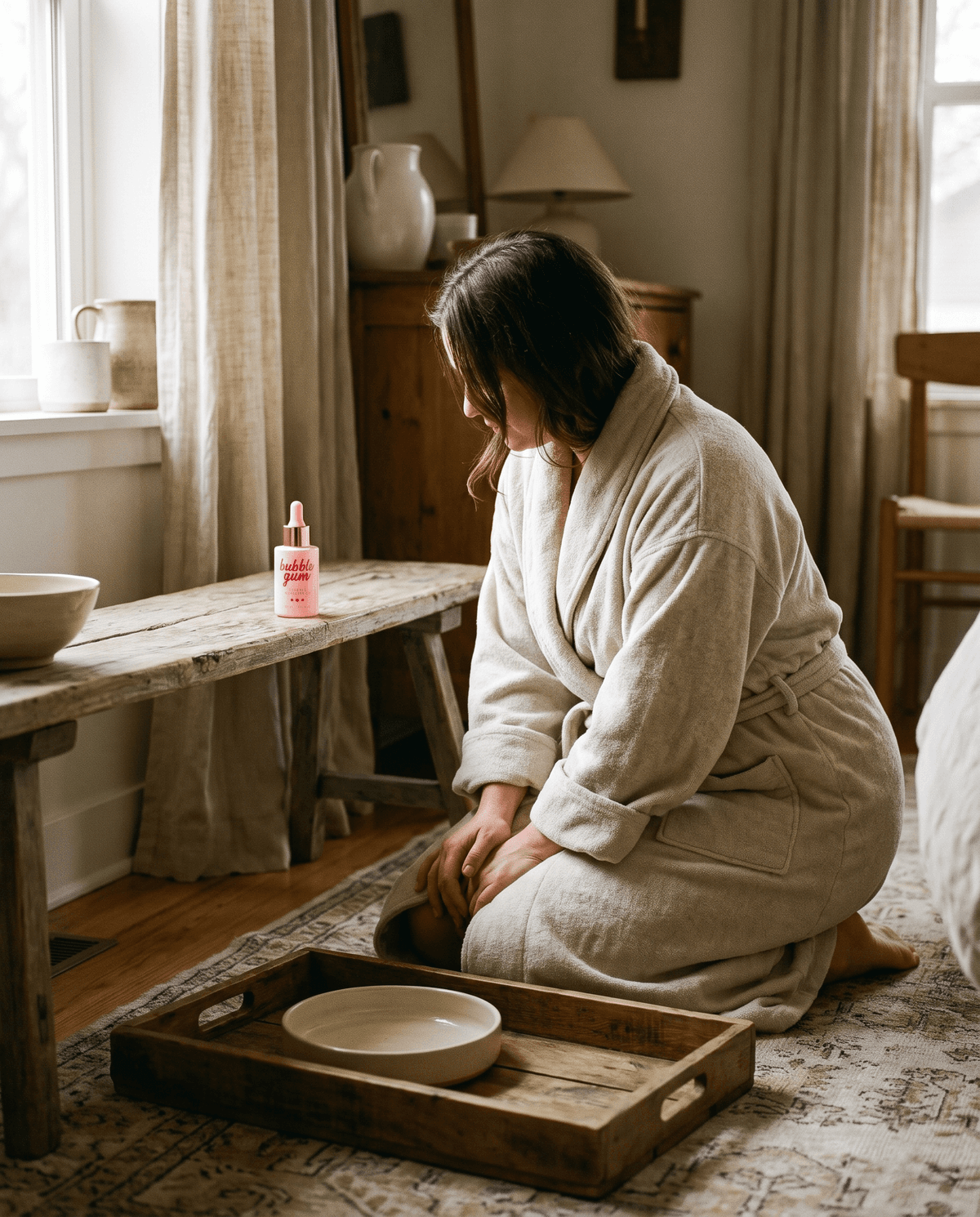
Warming massage oil is a body oil formulated with ingredients that create a mild, gradual heat sensation on skin contact. It combines glide and warmth to relax muscles, soften skin, and add a sensory layer to massage or intimate touch. The warming effect typically comes from natural extracts or specific compounds activated by friction and body temperature.
What Makes Warming Massage Oil Different From Regular Oil
Warming massage oil contains active ingredients that trigger a heat sensation on the skin, while regular massage oil only provides glide and hydration. The warmth usually builds within 30 to 60 seconds of contact and intensifies slightly with friction from massage strokes.
Regular oils, such as plain almond or coconut oil, are formulated purely for lubrication and skin softening. They do not contain compounds that interact with skin receptors to produce a heating sensation. Warming oils add an extra layer by including ingredients like capsaicin derivatives, cinnamon extract, or ginger root, which stimulate localized blood flow and create warmth without an external heat source. This distinction matters when choosing a product for a specific purpose. A person seeking a purely moisturizing massage might prefer a neutral oil, while someone wanting a sensory or intimate experience often looks for the warming variety.
- Regular oil: glide, hydration, no thermal sensation
- Warming oil: glide, hydration, plus mild heat within 1 minute
- Cooling oil: glide, hydration, plus a cooling menthol-like sensation
How Warming Massage Oil Creates The Heat Sensation
The heat sensation in warming massage oil comes from natural compounds that interact with skin thermoreceptors, not from any external heating element. Ingredients like capsicum extract or clove oil stimulate nerve endings that register warmth, and friction from massage strokes amplifies that feeling.
Thermoreceptors in the skin respond to certain plant compounds in a way that mimics an actual temperature increase, even though the skin surface temperature barely changes. This is why warming oils feel hot to the touch during massage but leave no lasting mark once the sensation fades, typically within 5 to 15 minutes depending on formulation and skin sensitivity. The intensity depends on concentration levels. A product with a lower percentage of active warming compounds gives a subtle tingle, while a higher concentration produces a more noticeable heat. Skin type also plays a role, since thinner or more sensitive skin areas react faster than thicker skin like the back or shoulders.
Best Ingredients To Look For In A Warming Oil
The most common effective ingredients in warming massage oils include ginger extract, cinnamon bark, capsicum, and clove oil, each offering a different intensity and duration of warmth. Combined with a carrier oil base like sweet almond or jojoba, these create a balanced sensory and moisturizing product.
Carrier oils matter as much as the warming agents themselves. A heavy, greasy base can dull the sensation, while a lightweight carrier oil allows the warming ingredients to activate more efficiently on skin contact. Below is a comparison of common warming ingredients and their typical characteristics.
| Ingredient | Warmth Intensity | Duration |
|---|---|---|
| Ginger extract | Mild to moderate | 10 to 15 minutes |
| Cinnamon bark | Moderate | 8 to 12 minutes |
| Capsicum extract | Moderate to strong | 15 to 20 minutes |
| Clove oil | Mild | 5 to 10 minutes |
Choosing Between Oil, Gel, And Lubricant Formats
Warming products come in oil, gel, and lubricant formats, each suited to different uses: oils for massage glide, gels for targeted sensation, and lubricants for intimate contact requiring water or silicone compatibility. The right choice depends on whether you prioritize massage duration or intimate compatibility.
Oils tend to have the longest glide time, making them ideal for full-body massage sessions that last 20 minutes or more. Gels are thicker and often used for localized application, staying in place rather than spreading across a large surface. Lubricants formulated with warming properties are designed specifically for intimate use and are usually condom compatible, unlike some massage oils. Consider the kit approach if you want variety without buying three separate products. The couple kits category often bundles complementary formats so you can test what works best for your body without committing to a full-size bottle of each.
- Oil: best for long massage sessions, moisturizes skin
- Gel: best for targeted warmth, less mess
- Lubricant: best for intimate contact, often condom safe
How To Apply Warming Massage Oil Correctly
Apply a small amount of warming massage oil to your palms first, rub them together to distribute evenly, then spread it gradually across the skin starting with lighter pressure. This prevents an overly intense heat spike and lets you gauge sensitivity before applying more product.
Starting with roughly a teaspoon-sized amount for a full back massage is usually enough to test the reaction. You can always add more if the warmth feels too mild, but it is much harder to reduce the sensation once too much product is on the skin. Always avoid applying warming oil near the eyes, nose, mouth, or any broken skin, since the warming compounds can cause irritation in these sensitive areas. If you plan to use the oil for intimate massage leading into more sensual contact, check the label to confirm it is safe for that specific use before moving further.
- Warm the oil slightly between your palms
- Apply a small test amount to one area first
- Wait 30 to 60 seconds to gauge the sensation
- Add more gradually if a stronger effect is desired
- Wash hands after use before touching sensitive areas
Warming Massage Oil For Couples And Intimacy
Warming massage oil is popular among couples because it turns a simple massage into a shared sensory experience, building anticipation through touch and gradual heat before intimacy. The combination of physical relaxation and mild thermal stimulation can heighten body awareness for both partners.
Many couples use warming oil as a slow warm-up ritual, starting with the shoulders and back before moving to more intimate contact. The gradual heat buildup mirrors the pacing of foreplay itself, which is part of why these products remain popular in intimate wellness routines. If you are shopping specifically for a shared experience, look at products designed with couples in mind rather than solo-use massage oils. The for massages category includes formats built around this kind of shared, slow-paced application.
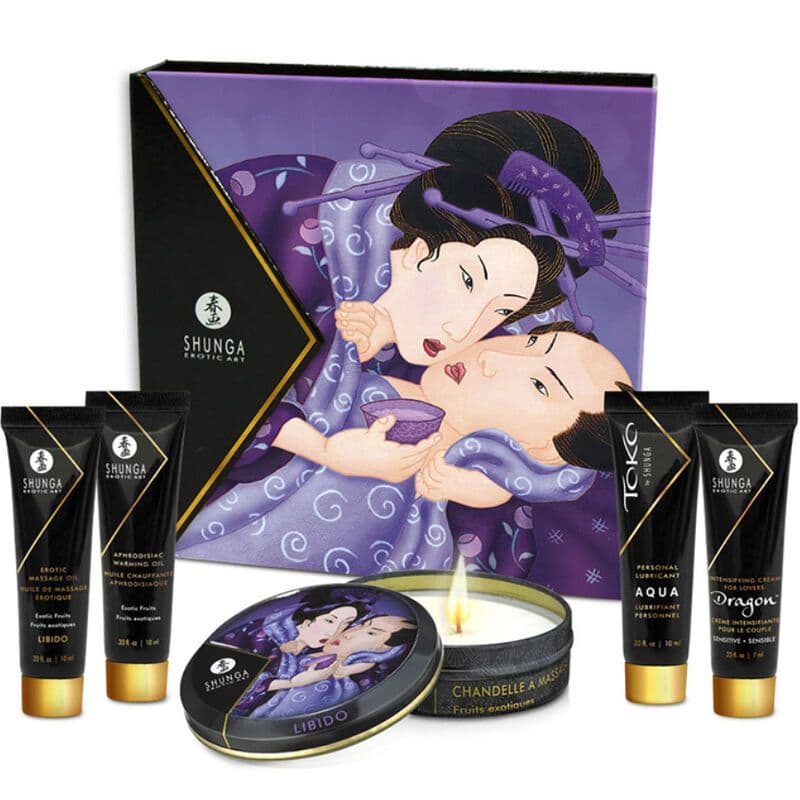
Secret geisha exotic fruits
This exotic fruit oil pairs a light, non-greasy texture with a pleasant scent, making it suitable for couples who want warmth without an overpowering smell lingering afterward.
Warming Lubricants Versus Warming Massage Oils
Warming lubricants are formulated for intimate contact and are typically water-based or silicone-based, while warming massage oils are oil-based and meant for broader skin coverage during massage. Using the wrong type in the wrong context can affect comfort and, in some cases, condom safety.
Oil-based products can degrade latex condoms over time, so if condom use is part of your routine, a dedicated warming lubricant is the safer choice for intimate contact. Massage oils, by contrast, are built for skin glide across larger areas and are not always condom compatible. Two commonly chosen warming lubricants illustrate this format well.

Warming lubricant cherry 50 ml
This cherry-flavored warming lubricant is designed for intimate use, combining a fruity scent with a gradual heat sensation that builds during contact.

Warming lubricant passion fruit 50 ml
The passion fruit version offers a similar warming profile with a different scent, giving couples a choice depending on personal preference for flavor and aroma during intimate moments.
Skin Sensitivity And Warming Oil: What To Know
Skin sensitivity varies significantly between individuals, so always patch test a warming massage oil on a small area, such as the inner forearm, for at least 60 seconds before full-body use. Reactions like redness, stinging, or excessive heat indicate the product is not suited to your skin type. People with naturally sensitive or reactive skin, including those prone to eczema or rosacea, should be especially cautious with capsicum-based warming products, since these tend to produce more intense reactions. Thinner skin areas such as the inner thighs, underarms, or neck react faster and more strongly than thicker skin on the back or legs.
A patch test takes less than five minutes and can prevent an uncomfortable surprise later. Apply a dime-sized amount, wait for a reaction, and only proceed to broader application if the sensation stays within a comfortable range.
- Patch test duration: at least 60 seconds
- Sensitive areas to avoid: eyes, mouth, broken skin, genitals unless product specifies intimate use
- Signs to stop use: burning beyond mild warmth, persistent redness, itching
Storing Warming Massage Oil To Maintain Effectiveness
Store warming massage oil in a cool, dry place away from direct sunlight, ideally below 25 degrees Celsius, to preserve the potency of its active warming ingredients. Heat and light exposure can degrade the botanical extracts responsible for the warming sensation over time. Most oils remain effective for 12 to 24 months when sealed and stored properly, but the warming intensity can weaken noticeably after the bottle has been opened and exposed to air repeatedly. Always check the label for a period-after-opening symbol, usually shown as a small jar icon with a number followed by "M" for months.
Avoid storing the bottle in a bathroom cabinet near a shower, since repeated humidity and temperature swings shorten shelf life faster than storage in a bedroom drawer. Keep the cap tightly sealed between uses to limit air exposure.
| Storage Factor | Recommendation |
|---|---|
| Temperature | Below 25°C, away from radiators |
| Light exposure | Store in original box or dark drawer |
| Humidity | Avoid steamy bathrooms |
| Shelf life after opening | Typically 6 to 12 months |
Common Mistakes When Using Warming Massage Oil
The most common mistakes with warming massage oil include applying too much product at once, skipping the patch test, and using it near sensitive mucous membranes where it is not intended. These errors turn a pleasant sensory experience into discomfort.
Overapplication is the number one issue reported by first-time users. Because the warmth builds gradually, people sometimes add more oil thinking the first amount did not work, only to end up with an intense heat spike a minute later once the full amount activates. Another frequent mistake is using massage-only oil for intimate contact when the label does not specify it is suitable for that purpose. Formulations differ, and what feels pleasant on the back may feel too intense or irritating on more sensitive skin.
- Applying oil to broken or freshly shaved skin
- Layering multiple warming products at once
- Ignoring the recommended patch test step
- Using massage oil in place of a dedicated intimate lubricant
Warming Oil Blends With Flavor And Scent
Flavored and scented warming oils add a sensory dimension beyond touch, combining fruity or edible scents with the warming effect for a more immersive massage experience. These blends are popular for couples who want to engage taste and smell alongside touch. Fruit-based scents such as strawberry, cherry, or tropical blends tend to be the most popular choices, since they pair well with the natural warmth of the oil without clashing scent profiles. Some formulations are even labeled as edible or taste-friendly, extending the sensory experience further during intimate massage.
If flavor and scent are priorities for your massage routine, browsing the delicious flavors category narrows the search to products specifically designed around taste and aroma rather than warmth alone.
- Fruit-based scents: cherry, passion fruit, tropical mix
- Edible-labeled oils: safe for oral contact per product label
- Scent intensity: light, moderate, or strong depending on brand
Warming Oil Versus Cooling Oil: Which To Choose
Warming oils create a heat sensation through ingredients like capsicum or ginger, while cooling oils use menthol or peppermint to produce a chilling effect, and the choice depends purely on personal sensory preference. Neither is objectively better since the appeal is entirely subjective.
Some people find warming sensations more relaxing because heat is naturally associated with muscle relaxation and comfort. Others prefer the crisp, refreshing feeling of cooling oils, particularly in warmer climates or during summer months when added heat feels unwelcome. A few products on the market combine both, alternating warming and cooling zones within the same massage session for contrast. This dual approach can heighten sensitivity to both sensations when used correctly.
| Feature | Warming Oil | Cooling Oil |
|---|---|---|
| Main ingredient type | Capsicum, ginger, cinnamon | Menthol, peppermint, eucalyptus |
| Best season | Colder months | Warmer months |
| Common use case | Muscle relaxation, intimacy | Refreshing massage, post-exercise |
Using Warming Massage Oil As Part Of A Massage Kit
Massage kits typically bundle a warming oil with complementary items like a second oil, a small applicator, or a scented candle, offering better value and variety than buying a single bottle alone. These kits suit people new to warming products who want to compare options. A kit format also removes the guesswork of pairing scents or textures, since the products are curated together intentionally. This matters if you are unsure which warming intensity or scent profile suits your skin.

Indiscrets bubblegum play kit with oil gel & lip gloss
This kit combines a warming oil gel with a lip gloss, giving couples the option to explore both massage and playful taste elements in one purchase. Browsing the massage kits category shows additional bundled options if you want to compare formats before committing to a single product.
How Long Does The Warming Effect Actually Last
The warming sensation from most massage oils lasts between 10 and 20 minutes, depending on ingredient concentration, skin thickness, and how much friction is applied during massage. Reapplication extends the effect but should follow the same gradual approach as the initial application. Friction plays a larger role than most people expect. Continuous massage strokes keep reactivating the warming compounds against the skin, which is why the sensation often feels stronger during active massage than when the oil simply sits on the skin without movement.
If the warmth fades faster than expected, it usually means the initial application was too thin or the ingredient concentration in that specific product is lower than others on the market. Checking the ingredient list for capsicum or cinnamon concentration percentages, when listed, gives a rough idea of expected intensity and duration before purchase.
Warming Massage Oil And Skin Hydration Benefits
Beyond the heat sensation, most warming massage oils double as skin moisturizers due to their carrier oil base, which can improve skin softness after just one application. Ingredients like sweet almond oil or jojoba oil hydrate the skin barrier while the warming agents provide the sensory effect. This dual function makes warming oil a practical choice compared to using a separate lotion and a separate massage product. The oil base locks in moisture during the massage itself, and many users notice smoother skin texture immediately after rinsing off excess product.
Combining a warming massage oil with a broader skincare routine works well if you are also interested in general body care products. The care and cosmetics category offers complementary items for skin maintenance beyond the massage itself.
- Common hydrating carrier oils: sweet almond, jojoba, grapeseed
- Typical hydration duration: several hours post-massage
- Best paired with: gentle exfoliation beforehand for better absorption
Reading Labels: What Warming Oil Ingredient Lists Tell You
A warming massage oil label typically lists the carrier oil first, followed by the active warming ingredient, fragrance, and any preservatives, with ingredients ordered by concentration from highest to lowest. Reading this order helps you understand what you are actually applying to your skin. If a warming ingredient like capsicum extract appears near the top of the list, expect a stronger sensation than if it appears near the bottom, closer to preservatives and fragrance. This ordering convention applies to most cosmetic and body care labeling globally.
Look also for any allergen warnings, particularly around nut oils if you have known sensitivities, since almond and other nut-derived carrier oils are common in this product category. Checking for a patch test recommendation directly on the label is also a good sign of a responsibly formulated product.
- Identify the carrier oil listed first
- Locate the active warming ingredient
- Check for allergen warnings, especially nut oils
- Confirm shelf life and period-after-opening symbol
Warming Oil For Solo Use Versus Partner Massage
Warming massage oil works for both solo self-massage and partner massage, though application technique differs: solo use focuses on reachable muscle groups like arms and legs, while partner massage covers the full back and shoulders. Both approaches offer the same relaxation and warmth benefits. Solo use is often about targeted relief, such as applying oil to tense calves after exercise or to shoulders after a long day at a desk. Partner massage, by contrast, tends to be slower and covers larger surface areas, making the gradual heat buildup feel more like part of a shared ritual than a quick fix.
Neither use case requires different products necessarily, but solo users may prefer smaller bottle sizes for practicality, while couples often go through larger bottles faster given the bigger surface area covered during a typical session.
Combining Warming Oil With Other Massage Tools
Warming massage oil pairs well with tools like massage stones, rollers, or simply hands, and the tool choice mainly affects pressure distribution rather than the warming sensation itself. The oil provides glide regardless of which tool applies pressure to the skin. Using a roller or massage tool can help distribute the oil more evenly across larger areas like the back, reducing the amount of product needed compared to hand application alone. This can also help people with limited hand strength or mobility apply consistent pressure during a longer session.
For those exploring a broader range of massage accessories alongside oil, the assorted items category includes various accessories that can complement a massage routine beyond the oil itself.
- Massage stones: better for deep, localized pressure
- Rollers: better for even oil distribution over large areas
- Hands only: best for control and gradual pressure adjustment
Is Warming Massage Oil Safe During Pregnancy
Pregnant individuals should consult a healthcare provider before using warming massage oil, since certain warming ingredients like capsicum can increase skin sensitivity and some essential oils are not recommended during pregnancy. This is a precaution rather than a definitive restriction for every product. Skin also tends to become more sensitive during pregnancy due to hormonal changes, which means reactions to warming ingredients can be stronger and less predictable than before pregnancy. A patch test becomes even more important in this context.
If in doubt, choosing a plain, fragrance-free massage oil without warming agents is a safer default until a healthcare provider confirms which specific warming ingredients, if any, are appropriate during that stage of pregnancy.
Warming Oil Formulations: Natural Extracts Versus Synthetic Compounds
Warming massage oils use either natural plant extracts like ginger and capsicum or synthetic warming compounds designed to mimic the same thermoreceptor response, and both approaches can produce a similar heat sensation. The formulation type affects scent, texture, and sometimes skin tolerance. Natural extracts tend to carry a more pronounced plant-based scent and can vary slightly in intensity from batch to batch due to natural ingredient variability. Synthetic compounds often provide a more consistent, predictable warming intensity across every bottle, since manufacturing controls the exact concentration.
Neither type is inherently better for everyone, since skin tolerance to natural versus synthetic warming agents varies by individual. Checking the full ingredient list remains the most reliable way to know exactly what you are applying, rather than relying on marketing terms alone.
Pairing Warming Oil With Lubricants For Intimate Use
When combining a warming massage oil with a separate lubricant for intimate contact, always check that both products are compatible in terms of base type, since mixing oil-based and water-based products can affect texture and condom safety. Using a matched pair designed for combined use is the safer approach. Some brands design oil and lubricant pairs specifically to be used together, ensuring both products blend smoothly without altering the warming sensation or texture unexpectedly. Mixing unrelated products from different brands carries more uncertainty about how they interact on skin.
Exploring the dedicated lubes category alongside a massage oil purchase can help you find a matched pair rather than guessing at compatibility between two unrelated products from different lines.
Warming Massage Oil And Scented Candle Rituals
Some couples pair warming massage oil with a scented candle to set ambiance before a massage session, though the candle itself has no effect on the oil's warming properties. The combination is purely about atmosphere and mood rather than any chemical interaction. Dim lighting and a consistent scent in the room can help both partners relax before the massage even begins, which may make the warming sensation feel more integrated into a broader sensory experience rather than an isolated product effect.
If ambiance matters to your routine, some massage kits already include a small candle alongside the oil, removing the need to source scent and product separately. This is worth checking when comparing kit options before a solo purchase of just the oil itself.
Hot Effect Products Beyond Massage Oil
Beyond massage oil, warming and heat-effect products extend to intimate gels, balms, and lubricants designed specifically to create localized warmth during intimate contact rather than full-body massage. These products are formulated differently, often with faster-acting, more concentrated warming agents. The distinction matters because a product designed for a five-minute localized effect uses a different concentration than one designed for a 20-minute full-body massage. Applying a concentrated intimate warming gel the way you would a massage oil can result in an unexpectedly intense sensation.
If your interest extends beyond massage into other warming sensory products, the hot effect category covers a broader range of heat-focused intimate products designed for that specific purpose rather than general massage.
Choosing Warming Massage Oil As A Gift
Warming massage oil makes a practical gift for couples or individuals interested in relaxation, though gifting an unscented, mild-intensity version is generally a safer choice when you are unsure of the recipient's skin sensitivity or scent preference. Kits with multiple smaller items also work well as gifts since they offer variety. Consider the occasion when choosing intensity and scent. A romantic gift for a partner might lean toward a scented, moderate-intensity warming oil, while a gift for a friend focused purely on relaxation might work better as a milder, fragrance-light option.
- For partners: scented, moderate warming intensity
- For friends focused on relaxation: mild, fragrance-light options
- For first-time users: smaller bottle sizes to test tolerance first
Warming Massage Oil: Final Considerations Before You Buy
Before buying warming massage oil, confirm the ingredient list matches your skin sensitivity, check the intended use case on the label, and start with a smaller bottle if you are trying the product for the first time. These three checks prevent most common disappointments with warming products. Price and bottle size should factor in as well, since a 50 ml bottle intended for occasional use differs significantly in value from a larger bottle meant for regular massage routines. Matching bottle size to how often you plan to use the product avoids waste from an oil losing potency before it is finished. Ultimately, warming massage oil is a sensory tool, not a guaranteed experience, and individual skin reactions vary. Take the time to patch test, read the label fully, and choose a format, whether oil, gel, or lubricant, that matches your specific intended use before making a purchase.
- Check ingredient concentration and order on the label
- Confirm intended use: massage, intimate contact, or both
- Start with a smaller bottle for first-time use
- Match bottle size to expected frequency of use
Does warming massage oil actually raise skin temperature?
No, warming massage oil does not significantly raise actual skin temperature. Instead, it stimulates thermoreceptors in the skin using compounds like capsicum or ginger extract, creating a sensation of warmth. The skin surface temperature typically stays within a normal range even though it feels hot to the touch during application.
How long does the warming sensation typically last?
Most warming massage oils produce a sensation lasting between 10 and 20 minutes, depending on ingredient concentration and skin sensitivity. Friction from massage strokes can extend or intensify the feeling temporarily. Reapplying the oil restarts the sensation but should be done gradually to avoid an overly intense reaction.
Can warming massage oil be used with condoms?
Oil-based warming massage oils are generally not recommended with latex condoms since oil can degrade latex over time and reduce reliability. If condom compatibility matters, choose a dedicated warming lubricant labeled as condom safe instead of a standard massage oil for that specific part of your routine.
Is a patch test really necessary before full use?
Yes, a patch test is strongly recommended before applying warming massage oil to larger skin areas. Apply a small amount to the inner forearm and wait at least 60 seconds to check for redness, stinging, or excessive heat. This simple step helps prevent an uncomfortable reaction during a full massage session.
What is the difference between warming oil and warming lubricant?
Warming oil is oil-based and designed for broad skin coverage during massage, while warming lubricant is typically water or silicone-based and formulated specifically for intimate contact. Lubricants are more likely to be condom compatible, whereas oils are better suited to general massage rather than intimate use requiring that compatibility.